

How to clean car mats: carpet and rubber mats
Knowing how to clean car mats properly makes everyday dirt much easier to tackle. Mud after a walk, sand from the beach, road salt in winter, spilled coffee on a Monday morning. Whatever gets into your car lands on your mats first.
A thorough clean doesn't have to be complicated, but the right approach depends on the material. Carpet mats need a different method from rubber mats. Here, we explain both step by step. No detours. No vague advice. Just what works.
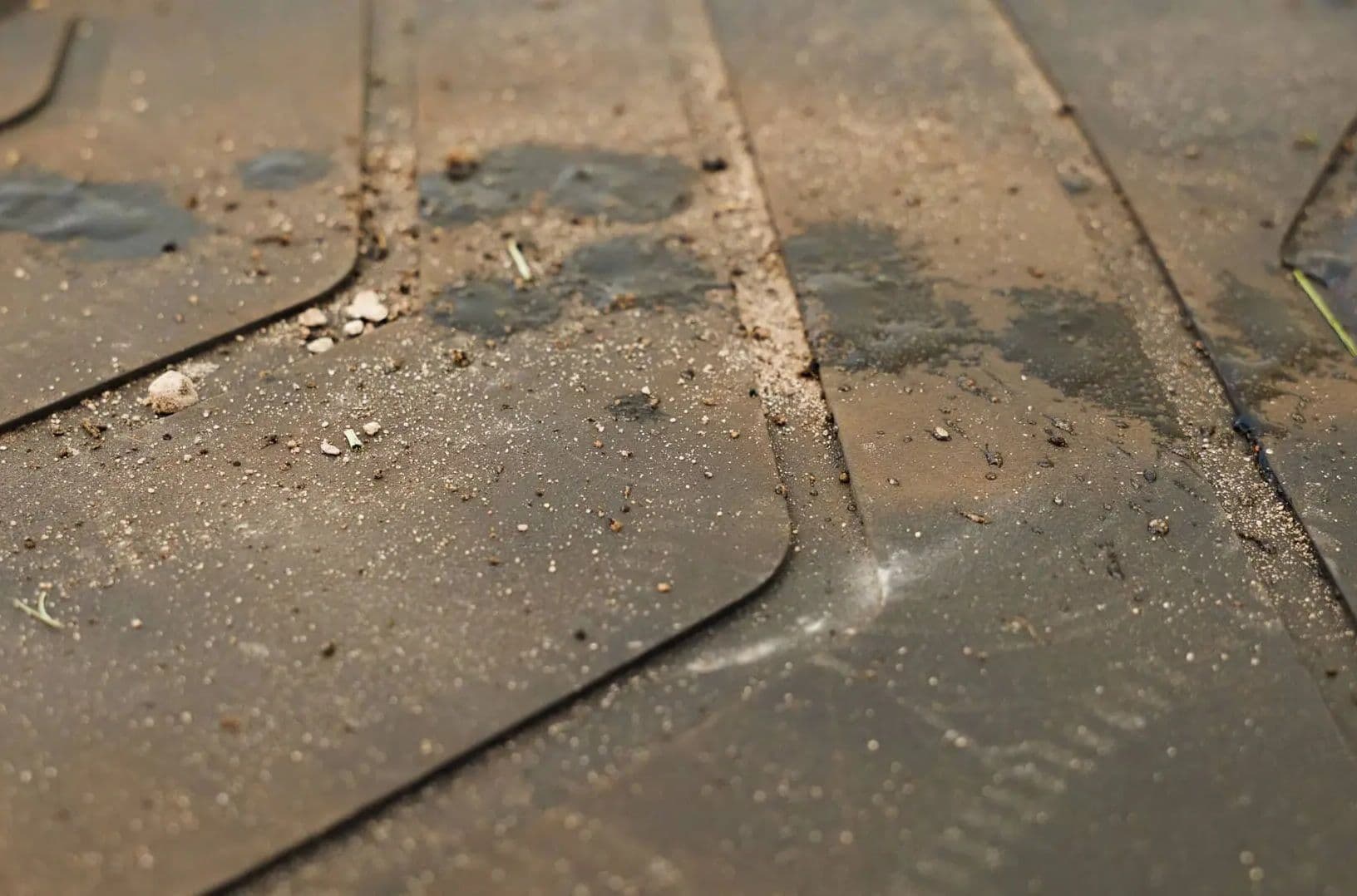
First things first. What type of mat do you have?
Before you start, check which material is in your car. That determines everything that follows.
Carpet floor mats are soft, have a textile surface and are designed to preserve the comfort and look of your interior. They absorb moisture and need a dry, careful cleaning method.
We offer two types of rubber car mats.
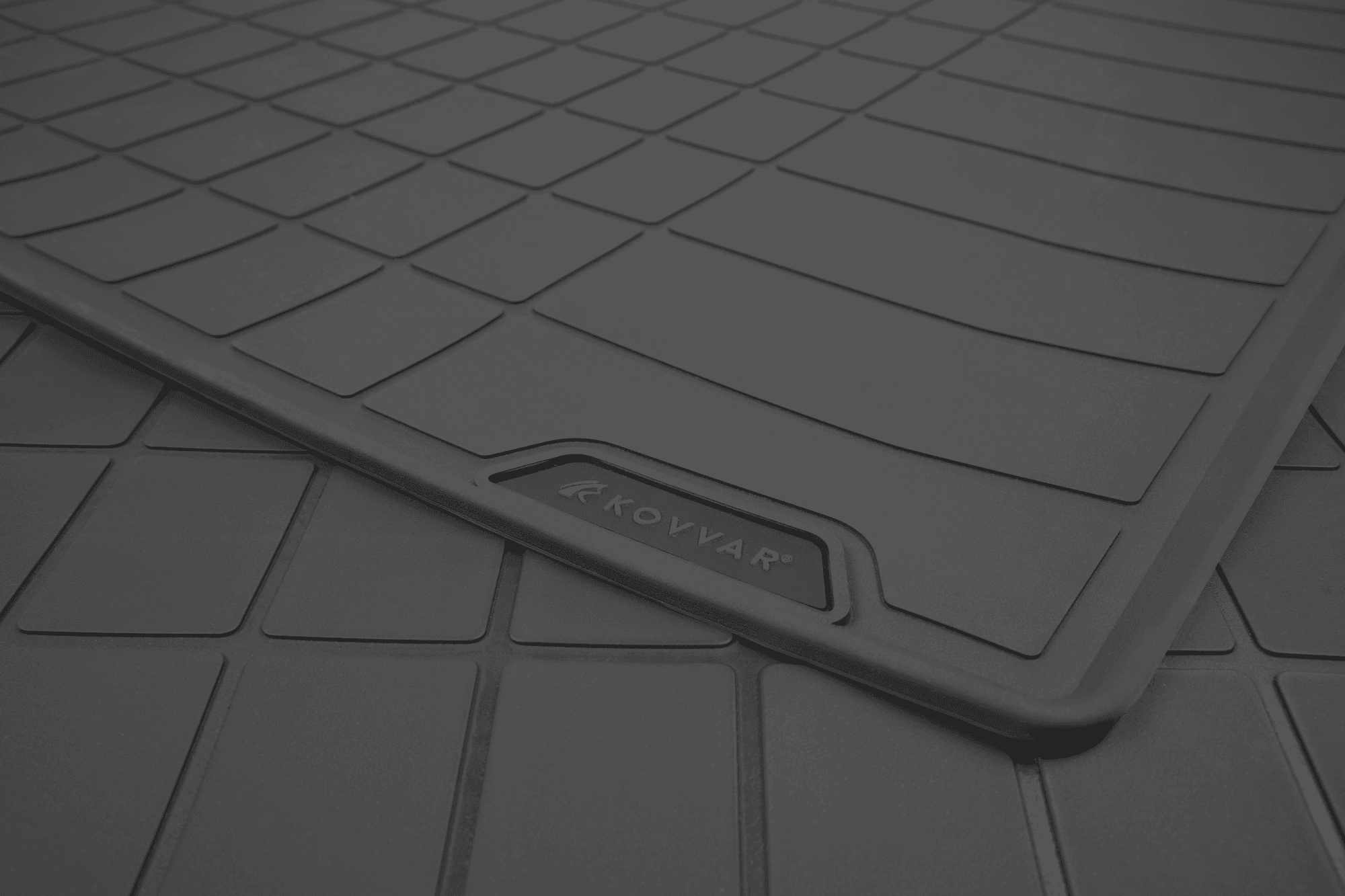
TPE rubber mats feature a waterproof top with raised edges. They are made to catch water, mud, and snow, and are easy to clean. For instructions, see the section 'cleaning rubber car mats'.
Our DuoGrip mats are mats with a rubber stud top and an anti-slip textile backing. To clean these mats, follow the instructions under the section 'cleaning carpet car mats'.
Bumper Protectors
To clean your bumper protector, follow the instructions under the section 'cleaning carpet car mats'.
Cleaning carpet car mats
Clean carpet mats dry whenever you can, and use water only where you need it.
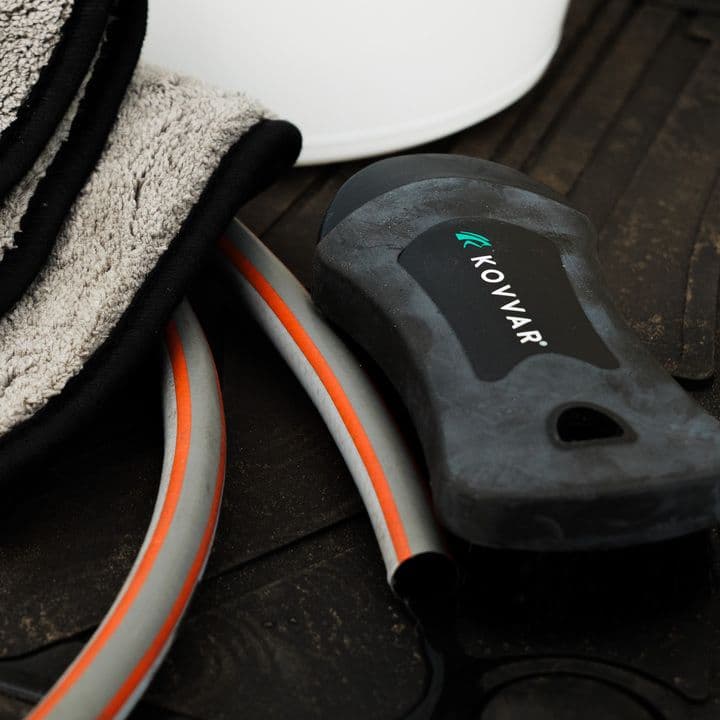
What you need
- Vacuum cleaner with a soft brush attachment
- Soft carpet brush
- Mild all-purpose cleaner
- Clean microfibre cloth
Step-by-step
1. Remove the mats from the car. Take the mats out and shake them firmly. This removes loose dust, sand and other dirt.
2. Vacuum the mats thoroughly. Vacuum carefully in two directions: first lengthwise, then across the width.
3. Treat stubborn stains. Use a clean microfibre cloth with lukewarm water and a small amount of bleach-free all-purpose cleaner. Gently dab the stain to loosen and absorb the dirt. Do not scrub too hard and avoid soaking the mat. Repeat if needed until the stain is gone.
4. Let the mat dry completely. Air-dry the car mats in a well-ventilated place, preferably out of direct sunlight. This helps prevent discolouration and keeps the fibres looking their best.
5. Vacuum the mats again. Are the mats completely dry? Vacuum them once more. This lifts the carpet fibres and gives the mats a fresh, well-kept finish.
Cleaning rubber car mats
Rubber car mats provide reliable protection against moisture, sand and mud. The durable material makes cleaning quick and efficient, with minimal effort and a clean result for your interior.
What you need
- Garden hose without high pressure
- Bucket of warm water
- Mild all-purpose cleaner without bleach or washing-up liquid
- Soft brush or sponge
- Dry cloth
Step-by-step
1. Remove the mats from the car. Shake off loose dirt and sand.
2. Rinse with a garden hose. Work from top to bottom. This is the easiest way to loosen stubborn dirt from the grooves in the tread.
3. Brush with warm water and a mild cleaner. Use circular motions. Do not forget the edges and corners, where most dirt collects.
4. Rinse thoroughly. Cleaner residue can leave the rubber looking dull.
5. Shake off the excess water and dry the mats with a cloth.
6. Let them dry completely before putting them back. Moisture trapped underneath a rubber mat is never a good idea.
Carpet or rubber. Which mat is easiest to maintain?
If easy maintenance is your main priority, the answer is simple: rubber car mats are the easiest to clean. A garden hose and a few minutes are often enough to remove dirt, mud and sand.
Maintenance is not the only consideration. Carpet mats give the interior a warmer look, help reduce noise and blend neatly into the car. Rubber mats are the better choice for heavy use, for example with muddy shoes, dogs, children or during autumn and winter.
That is why many drivers choose the best of both worlds: carpet mats in summer and rubber mats in winter. Both are tailor-made for your car and offer the same excellent fit.
How often should you clean your car mats?
A useful guideline:
● Vacuum or shake out. Every two to three weeks.
● Thorough clean. Once a month with heavy use. Once every three months with normal use.
● Deep clean. Twice a year, preferably in spring and autumn.
Have a dog, children or regularly bring a lot of dirt into the car? Clean your mats more often. And consider rubber mats for autumn and winter.
When replacement is the better choice
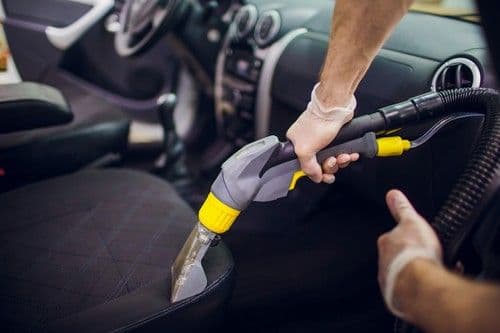
At some point, a mat wears out. Persistent odours that will not disappear, stains that have soaked into the fibres, cracked rubber or a non-slip backing that starts to come loose are signs that cleaning is no longer enough.
A new set then makes more sense than cleaning the old one again and again. At Kovvar, we make car mats precisely for your car. No universal fit, but measured to the millimetre for your specific model. Supplied with our perfect fit guarantee. If it does not fit, we replace it.
Frequently asked questions
Can car mats go in the washing machine?
No. Do not machine-wash them. Follow the step-by-step method above instead. It is safer and more effective.
Can I use a pressure washer?
No. The pressure can force water through the backing and damage the carpet structure. For rubber mats, we recommend a garden hose rather than a pressure washer, as high pressure can be too powerful and may damage the rubber.
How do I remove salt and road salt in winter?
Rinse with lukewarm water. Salt dissolves well in water, but it can work deep into the fibres if left too long. Clean it as soon as possible after a winter drive.
What can I do about a mouldy smell?
A mouldy smell means moisture is present somewhere. Remove the mats, let them dry completely in a well-ventilated place and check for moisture underneath. Then treat the interior with a dedicated automotive odour remover.
How long do car mats last?
With proper care, quality mats can last for several years. Wear depends on use and material. Carpet wears fastest in heavily used areas, especially on the driver’s side.


